
Composite vs Wood Decking in Central KY: Which Should You Choose?
Composite or wood for your new deck in Lexington or the Bluegrass? Compare cost, maintenance, looks, and lifespan to choose the right decking with confidence.
Few decisions stir up more debate among homeowners than this one. Composite or wood? Team Composite swears by the no-maintenance life. Team Wood loves the natural look and friendlier price. Both have strong opinions, and both have a point. The truth is there is no universal winner, only the right choice for your home, your budget, and your tolerance for maintenance. So let us settle the debate the honest way, category by
category, so you can decide with confidence. This is for homeowners across Lexington, Nicholasville, Georgetown, Versailles, Richmond, and Lancaster.
The Quick Definitions
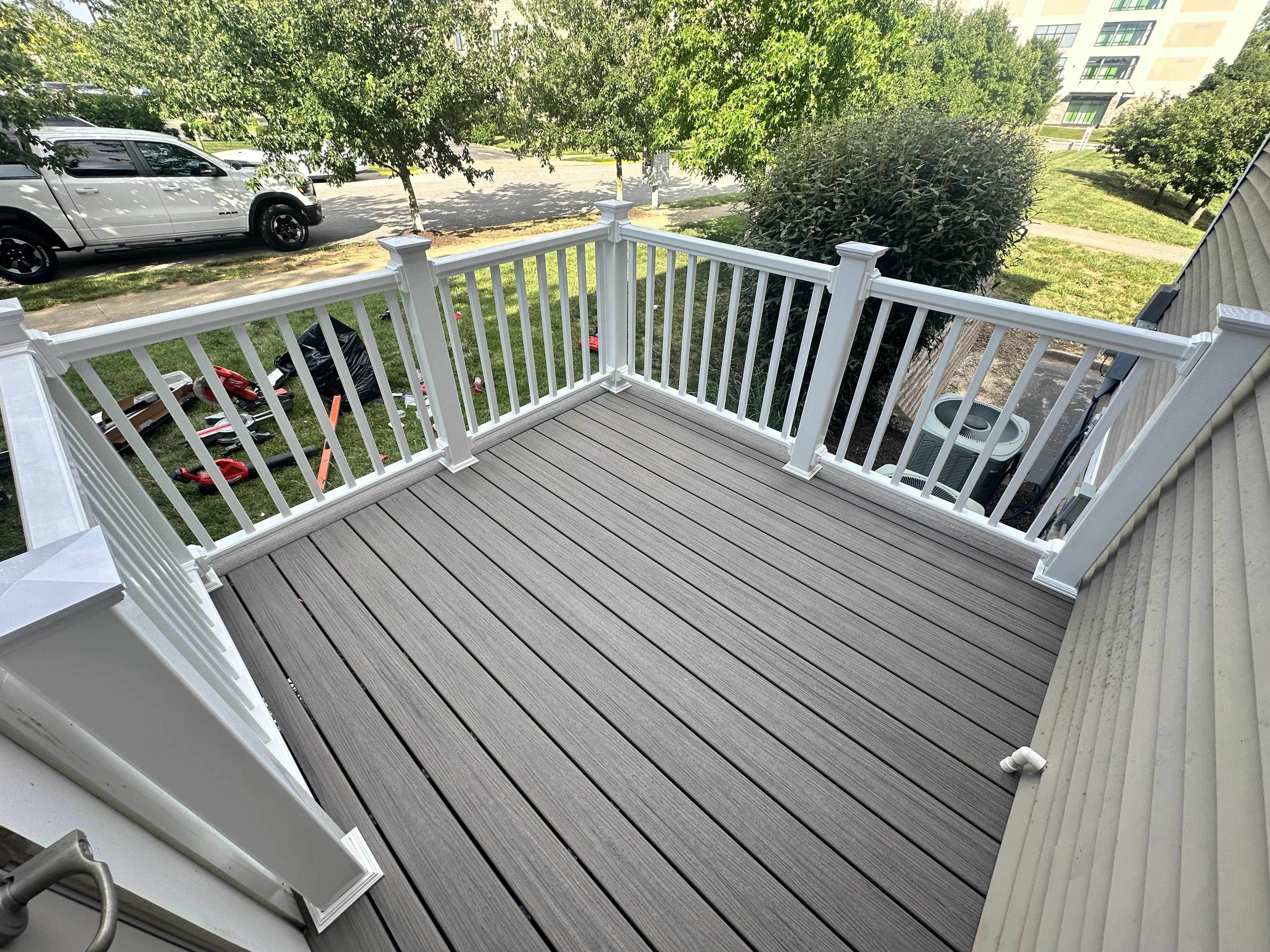
Wood decking usually means pressure-treated lumber or natural woods like cedar. It is real wood, with all the natural beauty and the natural maintenance that comes with it. Composite decking is made from a blend of wood fibers and plastic, engineered to look like wood while resisting the things that wear wood down. Brands like Trex made it popular, and it has become a favorite for low-maintenance living. Now let us see how they stack up.
Round 1: Upfront Cost
Wood wins here. Pressure-treated wood is the most budget-friendly decking material, which makes it attractive for homeowners watching the upfront number. Cedar costs more than pressure-treated but is still typically less than composite. Composite costs more to buy and install initially. There is no way around that. But the upfront price is only part of the story, as the next round shows. Winner: Wood, on upfront cost.
Round 2: Maintenance
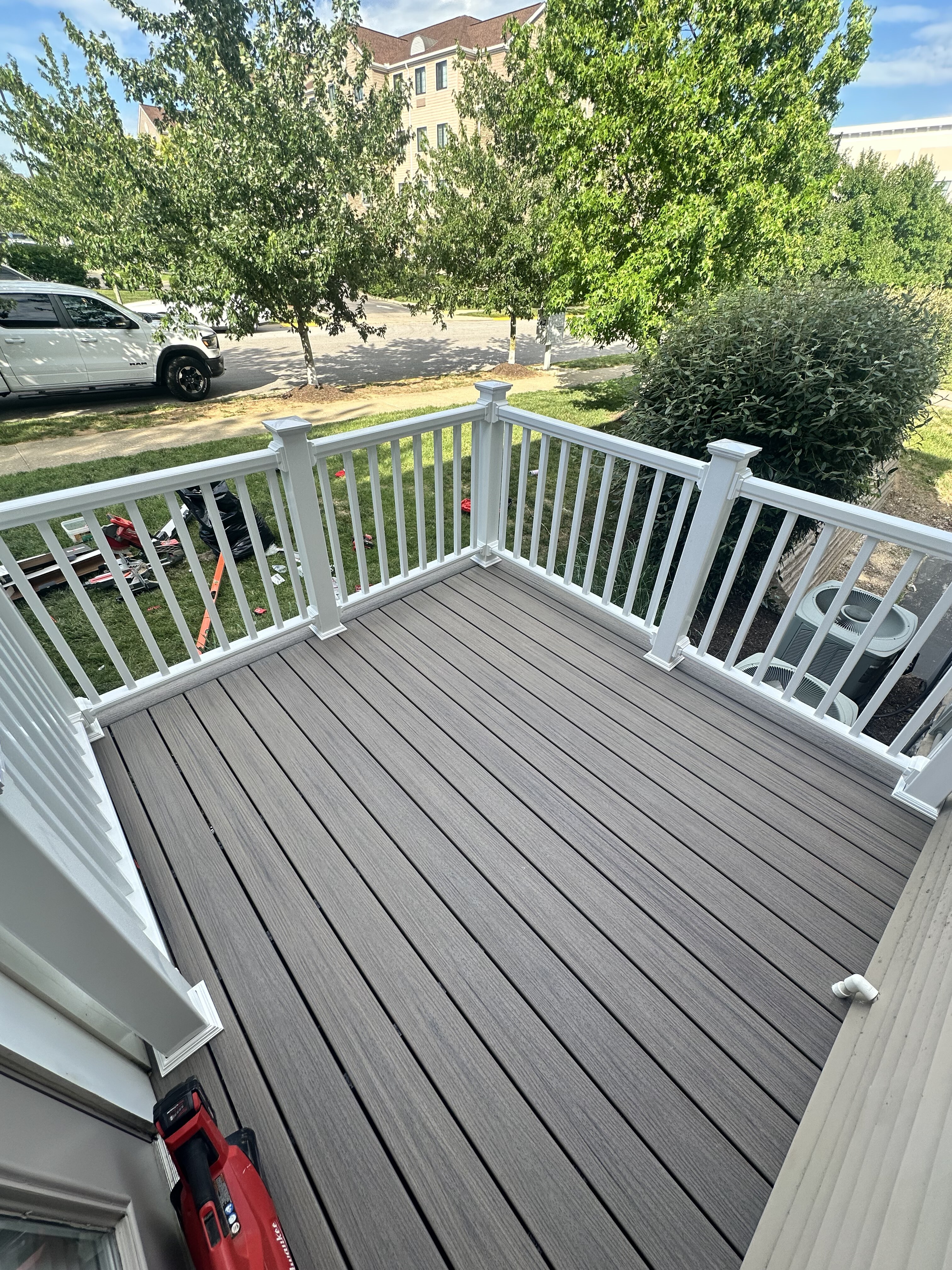
Composite wins decisively. This is its whole reason for being. Composite decking never needs staining, sealing, or sanding. A simple wash keeps it looking great for years and years. You buy it, you install it, you enjoy it. Wood is a different story. To keep a wood deck looking good and protected from our Kentucky weather, you need to clean, sand, and re-stain or reseal it regularly. Skip that upkeep and wood fades, cracks, warps, and weathers over time. That maintenance is real work and real ongoing cost. Winner: Composite, by a mile.
Round 3: The Long-Term Math
This is where the upfront comparison flips. Wood is cheaper to buy but costs you in maintenance year after year, in both money and weekends. Composite is more expensive to buy but saves you those maintenance costs and that labor for the entire life of the deck. Over many years, those numbers move closer together, and for a lot of homeowners composite actually comes out ahead once you count the stain, sealer, tools, and time wood demands. If you plan to keep your home and your deck for a long time, the long-term math often favors composite. Winner: Composite, over the long haul.
Round 4: Looks and Feel
This one is closer and a bit personal. Wood has unmatched natural beauty and that authentic, warm feel, because it is the real thing. Many people simply love genuine wood, and a freshly stained wood deck is gorgeous. Composite has come a long way and looks great, with realistic wood-grain textures and a wide range of colors that stay consistent over time. Purists may still prefer real wood up close, but modern composite is genuinely attractive and, unlike wood, it keeps that look without fading or graying. Winner: A tie. Wood for authentic character, composite for lasting, consistent good looks.

Round 5: Durability and Lifespan
Composite takes this round. It resists rot, insects, fading, staining, and the weather that slowly breaks wood down. It does not splinter, crack, or warp the way wood can, and it typically lasts decades with minimal care. Wood is durable when well maintained, but it is vulnerable to moisture, insects, rot, and our freeze-thaw climate if upkeep slips. Its lifespan depends heavily on how diligently it is maintained. Winner: Composite, for durability and lifespan. So Which Should You Choose? Here is the simple way to decide. Choose wood if you want the lowest upfront cost, you love the authentic look and feel of real wood, and you do not mind the ongoing maintenance to keep it looking good. It is a beautiful, classic, budget-friendly choice for hands-on homeowners. Choose composite if you want to spend your weekends enjoying your deck instead of maintaining it, you are happy to invest more upfront to save effort and cost long-term, and you want lasting durability with minimal care. It is the low-maintenance, long-haul favorite. Both build into beautiful decks. The right one comes down to how you weigh upfront cost against long-term maintenance, and a local deck builder can help you decide based on your goals and budget.
A Note on Installation
Whichever material you choose, quality installation matters just as much as the boards themselves. Solid footings, proper framing, correct attachment to your home, and clean board installation are what make a deck safe, sturdy, and long-lasting. A premium composite board installed on a weak structure is still a weak deck. A skilled local builder gets both the material choice and the construction right.
Let us Help You Choose
Whether you lean toward the natural charm of wood or the carefree durability of composite, the best decision is the one that fits your life. We are happy to talk through the options honestly and build you a deck you will love for years. If you are in Lexington, Nicholasville, Georgetown, Versailles, Richmond, or Lancaster, reach out today for a free decking consultation and estimate.
Frequently Asked Questions
Is composite or wood decking better?
+
Neither is universally better. Wood is cheaper upfront and offers authentic natural beauty but needs regular maintenance. Composite costs more initially but requires almost no upkeep and lasts longer, often winning on long-term value.
Is composite decking worth the extra cost?
+
For many homeowners, yes. The higher upfront cost is offset by years of saved maintenance, labor, and replacement, plus greater durability and a consistent look that does not fade or gray.
Does wood decking require a lot of maintenance?
+
Yes. Wood needs regular cleaning, sanding, and re-staining or resealing to protect it from weather, moisture, and insects. Skipping maintenance leads to fading, cracking, and warping over time.
Which lasts longer, wood or composite?
+
Composite typically lasts longer, resisting rot, insects, fading, and weather with minimal care. Wood can last many years but only with diligent, ongoing maintenance.
Building, remodeling, or finishing something in central Kentucky?
One in-house crew. One standard. Talk to Elevation about your project — no pressure, no jargon.
Talk to Elevation