
Residential Fencing in Lexington KY: Types, Costs & How to Choose
Picking a fence for your Central KY home? Compare wood, vinyl, aluminum, and chain link, see the pros and cons, and learn what goes into a quality install.
Here is the rundown of the most popular residential fencing options, with the honest pros and cons of each.
Wood Fencing
The timeless classic. Wood fencing is warm, natural, and endlessly customizable, which is why it remains so popular. The upsides are real. Wood looks beautiful and traditional, it offers excellent privacy in a solid-board style, it is generally affordable upfront, and you can stain or paint it any color you like. It just feels like home. The tradeoff is maintenance. Wood needs periodic sealing, staining, or painting to fend off our Kentucky weather, and over time it can warp, rot, or weather if neglected. If you love the look and do not mind a little upkeep, wood is hard to beat. Best for privacy fences, backyards, and classic charm.
Vinyl Fencing
The low-maintenance favorite. Vinyl fencing has surged in popularity because it delivers a clean look with almost none of the upkeep. The big draw is that vinyl is incredibly low maintenance. It never needs painting or staining, it resists rot and weather, and a quick rinse keeps it looking fresh for years. It offers great privacy in solid styles and comes in several colors and looks, including options that mimic wood. The tradeoff is a higher upfront cost than wood, though many homeowners happily pay it to skip the maintenance forever. Best for privacy, busy homeowners, and anyone who wants set-it-and-forget-it.
Aluminum Fencing
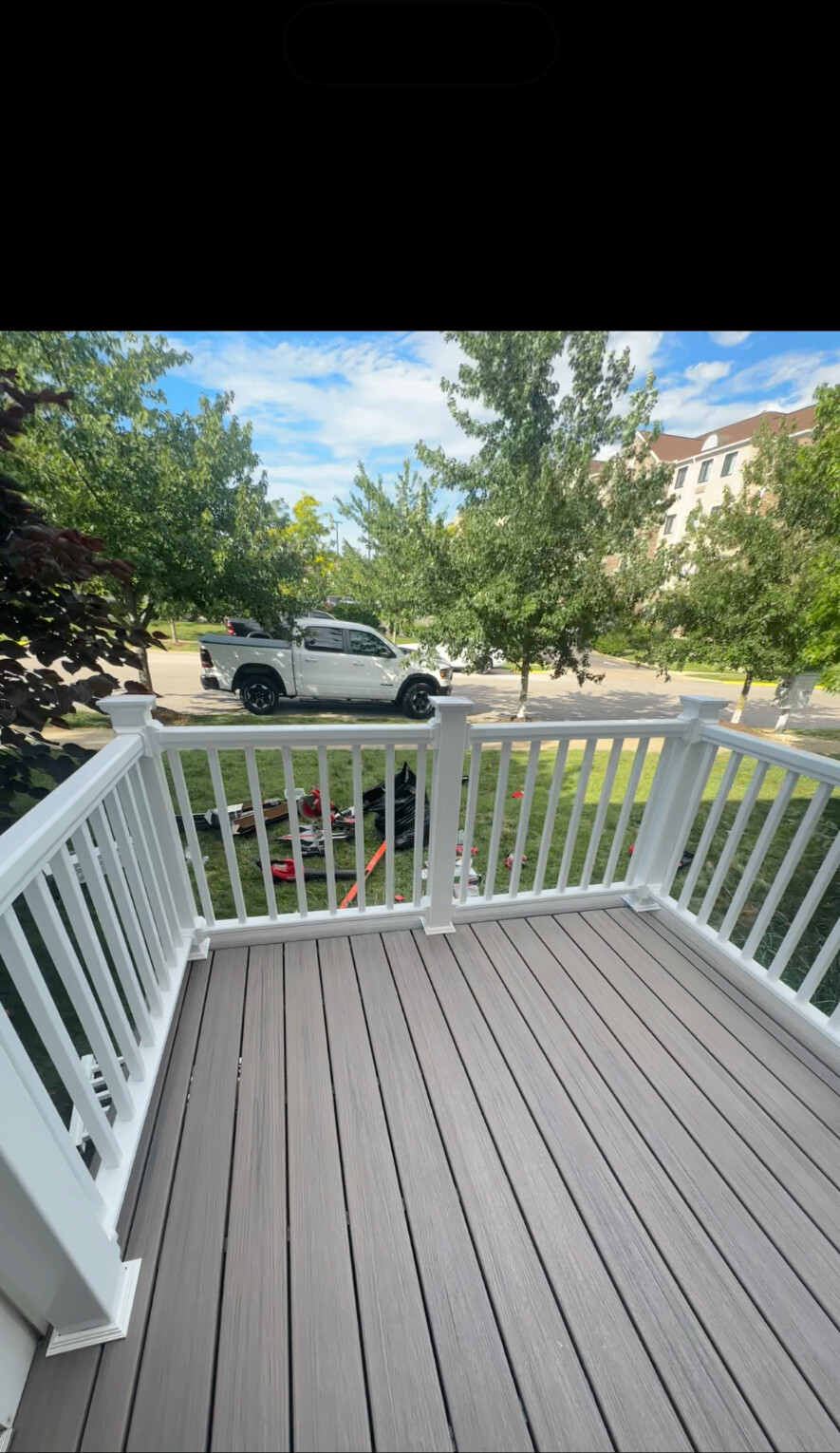
The elegant option. Aluminum fencing gives you the upscale look of wrought iron without the rust and weight. It is attractive and decorative, low maintenance, rust-resistant, and great for defining boundaries and adding elegance. It works beautifully around front yards, gardens, and pools, and it follows sloped ground nicely. The tradeoff is that aluminum does not provide privacy, since it is an open-picket style. It is about beauty, boundaries, and security rather than blocking the view. Best for curb appeal, pool enclosures, and decorative boundaries.
Chain Link Fencing
The practical workhorse. Chain link is affordable, durable, and gets the job done. It is budget-friendly, very low maintenance, long-lasting, and excellent for containing pets and kids or marking large areas. It goes up efficiently and stands up to the elements. The tradeoff is looks and privacy, since chain link is open and utilitarian by nature, though privacy slats can be added. Best for backyards, pet areas, and practical, cost-conscious projects.
How to Choose the Right Fence for Your Home
With the materials sorted, here is a simple way to land on the right one. If privacy is your top priority, go with a solid wood or vinyl privacy fence. If you want low maintenance above all, vinyl and aluminum lead the pack. If curb appeal and elegance matter most, aluminum or a well-built wood fence shine. If budget is the driver, wood and chain link are
your friends. And if you need to contain pets and kids safely, almost any solid or properly designed fence works, with the material chosen around your other priorities. Many homeowners even mix materials, like a handsome privacy fence in the backyard and a decorative aluminum fence in the front. A good local fence company helps you match the right solution to each part of your property.
What Quality Fence Installation Involves
A fence is only as good as its installation, and this is where a lot of cheap, fast jobs go wrong. A fence that leans, sags, or heaves out of the ground after one winter was almost always installed poorly. Quality installation starts with proper planning, including checking your property lines and locating underground utilities before anyone digs. It includes setting posts deep enough and in concrete so they stay solid and plumb for years, which matters a lot with our Kentucky freeze-thaw cycles that push poorly set posts right out of the ground. It means accounting for your terrain, since sloped and uneven yards require the right techniques to keep the fence straight and gap-free. It means quality materials and hardware that hold up to weather and use. And it means clean, level, professional construction with gates that swing true and latch properly, because a sagging gate is the first thing that fails on a bad fence. This is why local installation knowledge is so valuable. A Central Kentucky fence pro knows our soil, our weather, our permitting and HOA considerations, and how to build a fence that stays standing straight for the long haul.
Do Not Forget Permits and Property Lines
A quick but important note. Many areas have rules about fence height, placement, and materials, and some neighborhoods and HOAs have their own requirements. It is also essential to know exactly where your property line is and to have utilities marked before digging. A good local fence company handles these details, keeping your project smooth and avoiding the nightmare of building a fence in the wrong spot.
Let us Build Your Perfect Fence
The right fence adds privacy, security, safety, and serious curb appeal to your home, and it should stand strong and look great for years. The key is choosing the right material for your goals and having it installed by a pro who builds it to last. If you are in Lexington, Nicholasville, Georgetown, Versailles, Richmond, or Lancaster, reach out today for a free fencing consultation and estimate. We will help you choose the right fence and build it right the first time.
Frequently Asked Questions
What is the best type of fence for a residential home?
+
It depends on your goals. Wood and vinyl are best for privacy, vinyl and aluminum are lowest maintenance, aluminum offers elegant curb appeal, and chain link is the most budget-friendly. The right choice matches your priorities for privacy, looks, maintenance, and budget.
Is vinyl or wood fencing better?
+
Wood is beautiful, classic, and affordable upfront but needs regular maintenance. Vinyl costs more initially but requires almost no upkeep and resists weather and rot. Many homeowners choose vinyl to avoid ongoing maintenance.
How long does a fence last?
+
It varies by material and installation quality. Well-installed vinyl and aluminum can last decades with little upkeep, while wood lasts many years with proper maintenance. Quality installation is key to longevity in any material.
Do I need a permit to build a fence?
+
Often yes. Many areas regulate fence height, placement, and materials, and HOAs may have additional rules. A local fence company can help navigate permits and property line requirements.
Why does professional fence installation matter?
+
Proper post setting, depth, concrete footings, and terrain handling keep a fence straight and standing through Kentucky's freeze-thaw cycles. Poor installation leads to leaning, sagging, and early failure.
Building, remodeling, or finishing something in central Kentucky?
One in-house crew. One standard. Talk to Elevation about your project — no pressure, no jargon.
Talk to Elevation