
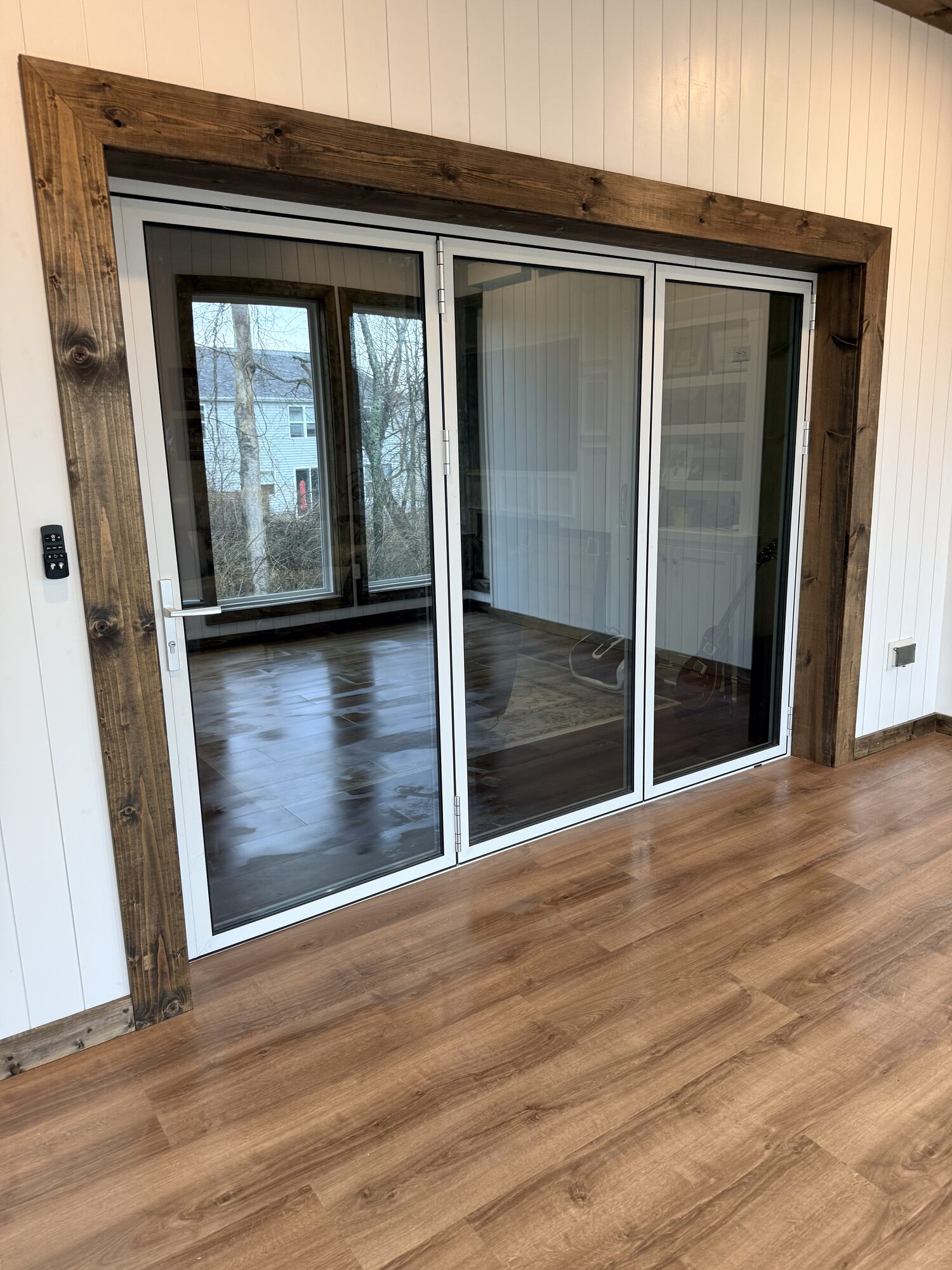
LVP vs Engineered Hardwood in Lexington KY: Cost, Durability & Install
LVP or engineered hardwood for your Central KY home? Compare cost, durability, looks, and installation so you can pick the right floor with confidence.
There comes a moment in nearly every flooring project where you stand in the store, staring at two planks that look almost identical, and quietly wonder why this is so hard. One is luxury vinyl plank. The other is engineered hardwood. They both look like wood, they both click together, and they both swear they are the best choice you will ever make. So which one actually is? The honest answer is that it depends on your home, your budget, and your life. But that answer is useless without details, so let us give you the details. By the end of this you will know exactly which floor fits your situation, plus what to expect when it comes time to install it. We write this for homeowners all over Central Kentucky, from Lexington and Nicholasville to Georgetown, Versailles, Richmond, and Lancaster. Let us break it down, category by category. First, What Are These Two Things?
Luxury vinyl plank (LVP) is a synthetic flooring made of several layers, topped with a photographic layer that mimics real wood and a tough protective wear layer on top. It is fully waterproof in most cases, highly durable, and has come a long way in looking convincingly like the real thing. Engineered hardwood is real wood, just built smarter. It has a genuine hardwood veneer on top bonded to layers of plywood or composite underneath. That layered core makes it more stable than solid hardwood, so it handles changes in humidity and temperature better. The top is real wood, so it looks and feels like real wood, because it is. Both are excellent. They just win at different things.
Round 1: Looks and Feel
Engineered hardwood has a real edge here, because it is actual wood. The grain, the warmth, the subtle variation from plank to plank, all of it is genuine. It feels solid and natural underfoot, and it carries that timeless, high-end look that buyers and homeowners love. LVP has improved dramatically and looks great, especially the higher-end products with realistic texture and embossing. From a few feet away, good LVP fools almost anyone. Up close and underfoot, though, those who care about authenticity can usually tell it is not real wood. Winner: Engineered hardwood, if real-wood character is your priority.
Round 2: Durability and Daily Life
This is where LVP flexes. It is tough, scratch-resistant, dent-resistant, and built to shrug off the chaos of real life. Kids, dogs, dropped pans, dragged furniture, muddy boots after a Kentucky rain, LVP takes it all in stride. Engineered hardwood is durable too, but it is still real wood, which means it can scratch and dent over time. The upside is that better-quality engineered floors with a thick enough top veneer can be refinished once or twice to erase years of wear, something LVP cannot do. Winner: LVP for sheer toughness, engineered hardwood for long-term refinishing potential.
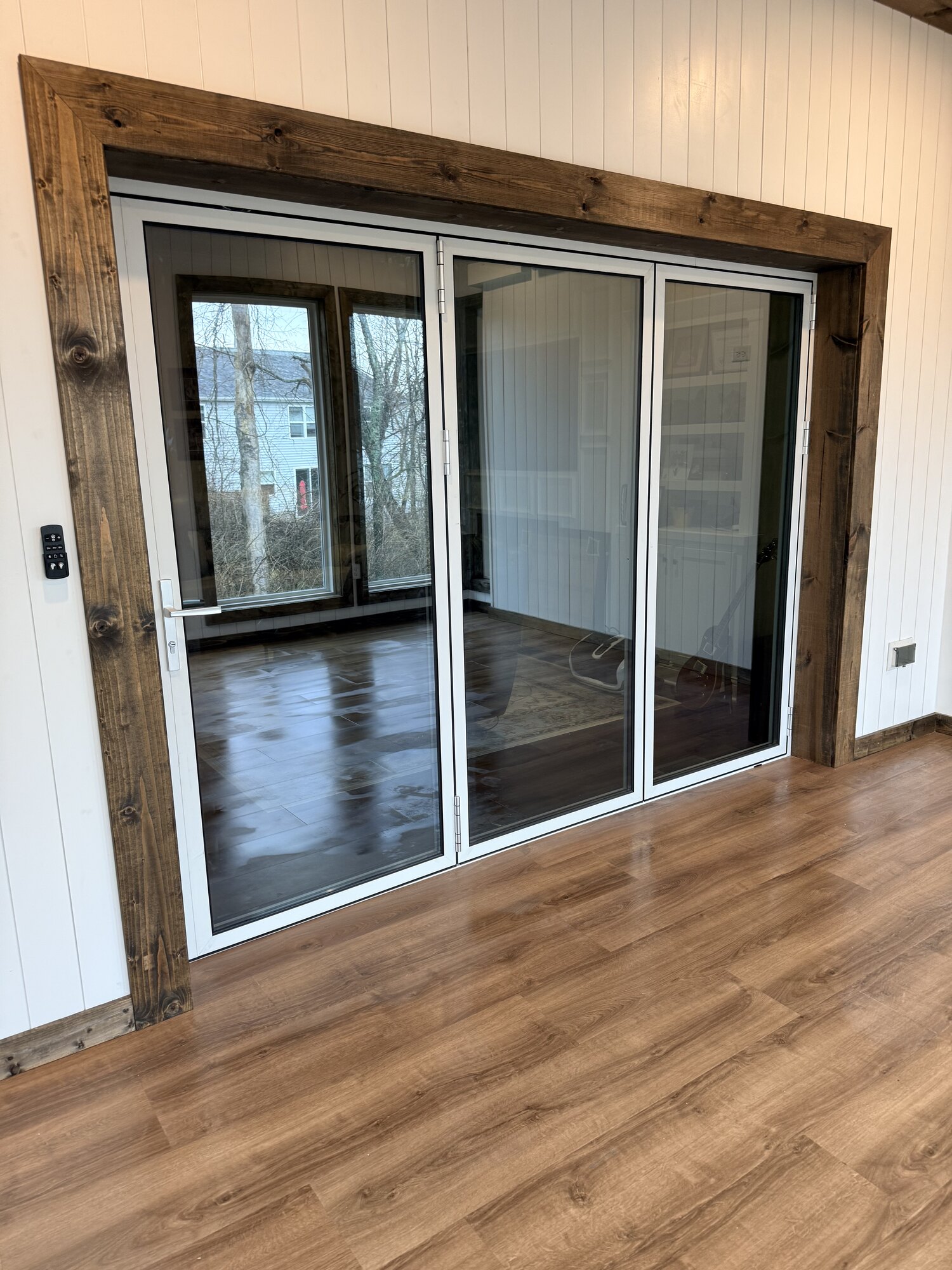
Round 3: Water and Moisture
If water is a concern, LVP is the clear champ. Most LVP is fully waterproof, which makes it fantastic for kitchens, bathrooms, laundry rooms, basements, and any space where spills and moisture happen. You can install it almost anywhere without worrying. Engineered hardwood handles humidity far better than solid hardwood thanks to its stable core, but it is still real wood and not waterproof. Standing water and constant moisture can damage it, so it is not the best pick for bathrooms or basements. Winner: LVP, hands down, for wet and moisture-prone areas.
Round 4: Cost
LVP is generally the more budget-friendly option, both for materials and installation. It gives you a wood look for less money, which is a big part of why it has exploded in popularity. Engineered hardwood usually costs more, because you are paying for real wood and a more involved product. But it can add more long-term value to your home, and many buyers specifically want real wood floors. Winner: LVP for upfront savings, engineered hardwood for resale appeal and long-term value.
Round 5: Comfort and Sound
Engineered hardwood feels warmer and more solid underfoot, and with proper underlayment it has a rich, quality sound when you walk on it. LVP can feel slightly softer and, depending on the
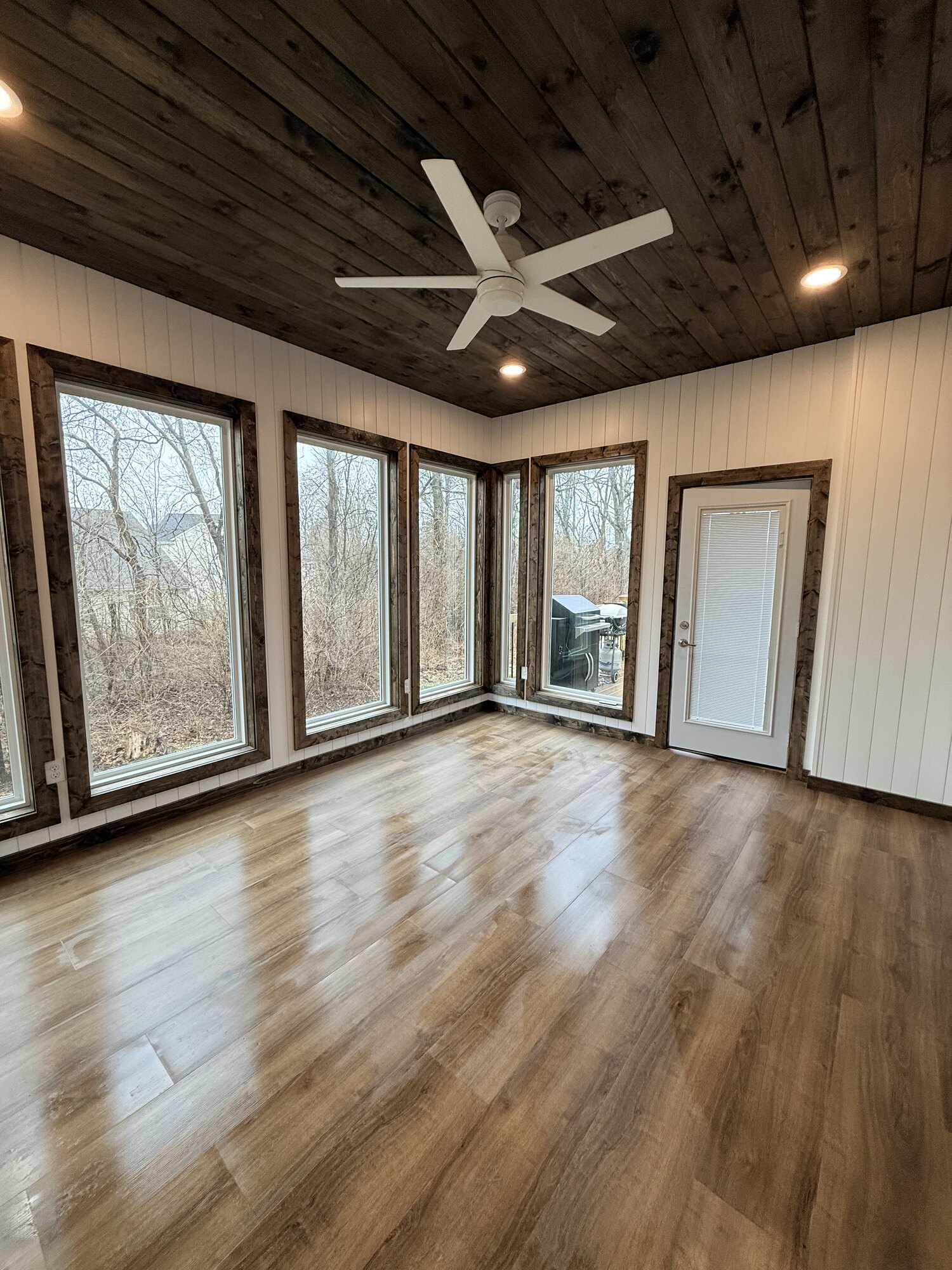
product and subfloor, a touch more hollow, though good installation and underlayment minimize that. Winner: Slight edge to engineered hardwood for that solid, premium feel. So Which One Should You Choose? Here is the simple way to decide. Choose LVP if you want maximum durability, waterproof performance, a friendlier price, and a worry-free floor that stands up to kids, pets, and busy life. It is ideal for kitchens, bathrooms, basements, mudrooms, rentals, and high-traffic family homes. Choose engineered hardwood if you want the genuine look, feel, and resale appeal of real wood, you love that timeless natural character, and you want the option to refinish down the road. It shines in living rooms, bedrooms, dining rooms, and main living areas where moisture is not a constant concern. Many Central Kentucky homeowners actually use both, putting engineered hardwood in the main living spaces and LVP in the kitchen, baths, and basement. That combination gives you the best of both worlds, and a good installer can blend the transitions beautifully.
Now, The Installation Part
Picking the floor is half the battle. Installing it well is the other half, and it matters more than most people realize. A premium floor installed poorly will look and perform worse than a budget floor installed right. Subfloor prep is everything. Before a single plank goes down, the subfloor has to be clean, dry, and level. Bumps, dips, moisture, and debris underneath will telegraph through your new floor, causing gaps, squeaks, uneven spots, and premature wear. This prep step is the unglamorous secret to a floor that looks and feels great for years. Acclimation matters for engineered hardwood. Real wood needs time to adjust to your home's temperature and humidity before installation, usually a few days. Skipping this can lead to gaps or buckling later as the wood settles. LVP is far less sensitive, though letting it acclimate is still good practice. Installation methods differ. LVP is often installed as a floating click-together floor, which is relatively fast and clean. Engineered hardwood can be floated, glued, or nailed depending on the product and subfloor, and getting that choice right takes know-how. Stairs, transitions, doorways, and odd angles are where amateur installs tend to go sideways. The details make or break the look. Clean transitions between rooms, proper expansion gaps around the edges, tidy cuts around cabinets and trim, and well-matched plank layout are what separate a professional install from a DIY one. These are exactly the spots where the difference shows. This is why so many homeowners hand the installation to a pro. The floor is a big investment, the prep and technique genuinely matter, and a quality installation protects that investment for the long haul. A skilled local installer also knows how our Kentucky humidity swings affect real wood, which planks perform best here, and how to get your subfloor right the first time.
Let us Help You Pick and Install the Perfect Floor
Whether you lean toward the toughness and value of LVP, the timeless beauty of engineered hardwood, or a smart combination of both, the right choice comes down to your home and how you live. And once you have chosen, a clean, professional installation is what makes it last.
If you are in Lexington, Nicholasville, Georgetown, Versailles, Richmond, or Lancaster, reach out today for a free flooring consultation and estimate. We will walk your space, talk through your options honestly, and deliver an installation you will be glad you trusted to a pro.
Frequently Asked Questions
Is LVP or engineered hardwood better?
+
Neither is universally better. LVP wins on durability, waterproofing, and price, making it ideal for kitchens, baths, basements, and busy homes. Engineered hardwood wins on authentic look, feel, resale value, and the ability to be refinished, making it great for main living areas.
Is LVP cheaper than engineered hardwood?
+
Generally yes. LVP usually costs less for both materials and installation, which is a big reason for its popularity. Engineered hardwood costs more but can add long-term home value.
Can engineered hardwood be installed in a bathroom or basement?
+
It is not the best choice for those spaces because it is real wood and not waterproof. LVP is the better pick for bathrooms, basements, and other moisture-prone areas.
Do I need a professional to install my flooring?
+
You can DIY some floating floors, but subfloor prep, acclimation, transitions, and technique strongly affect the result and longevity. For a flawless, durable finish, especially with engineered hardwood, professional installation is well worth it.
Can I mix LVP and engineered hardwood in the same home?
+
Absolutely. Many homeowners use engineered hardwood in main living areas and LVP in kitchens, baths, and basements. A skilled installer can blend the transitions seamlessly.
Building, remodeling, or finishing something in central Kentucky?
One in-house crew. One standard. Talk to Elevation about your project — no pressure, no jargon.
Talk to Elevation