Deck Building in Lexington KY: Materials, Cost & What to Expect
Thinking about building a deck in Central KY? Learn the materials, the process, what it costs, and how a quality build adds value to your Bluegrass home.
Picture it. A warm Kentucky evening, the grill going, a cold drink in hand, family and friends spread across a beautiful deck that feels like an extension of your home. That is not a fantasy. That is just a Tuesday once you have the right deck. A deck is one of those upgrades that pays you back every single day. It adds living space, hosts your best memories, boosts your home's value, and turns an ordinary backyard into a place you actually want to spend time. And here in Central Kentucky, with our gorgeous spring and fall weather, a deck gets a whole lot of use. If you are thinking about building one for your home in Lexington, Nicholasville, Georgetown, Versailles, Richmond, or Lancaster, this guide covers everything: materials, the building process, cost factors, and what makes a deck that lasts. Let us build it. Why Build a Deck? A deck is more than a wooden platform. It is an investment in how you live. It expands your living space, giving you a whole new room that happens to be outdoors, perfect for dining, relaxing, and entertaining. It adds real value to your home, since a quality deck is a feature buyers love and a strong return on investment. It creates a gathering place for cookouts, birthdays, morning coffee, and lazy weekend afternoons. And it makes the most of your yard, connecting your home to your outdoor space in a way that just feels good. For most homeowners, a deck quickly becomes one of the most-used parts of the house from spring through fall.
Choosing Your Decking Material
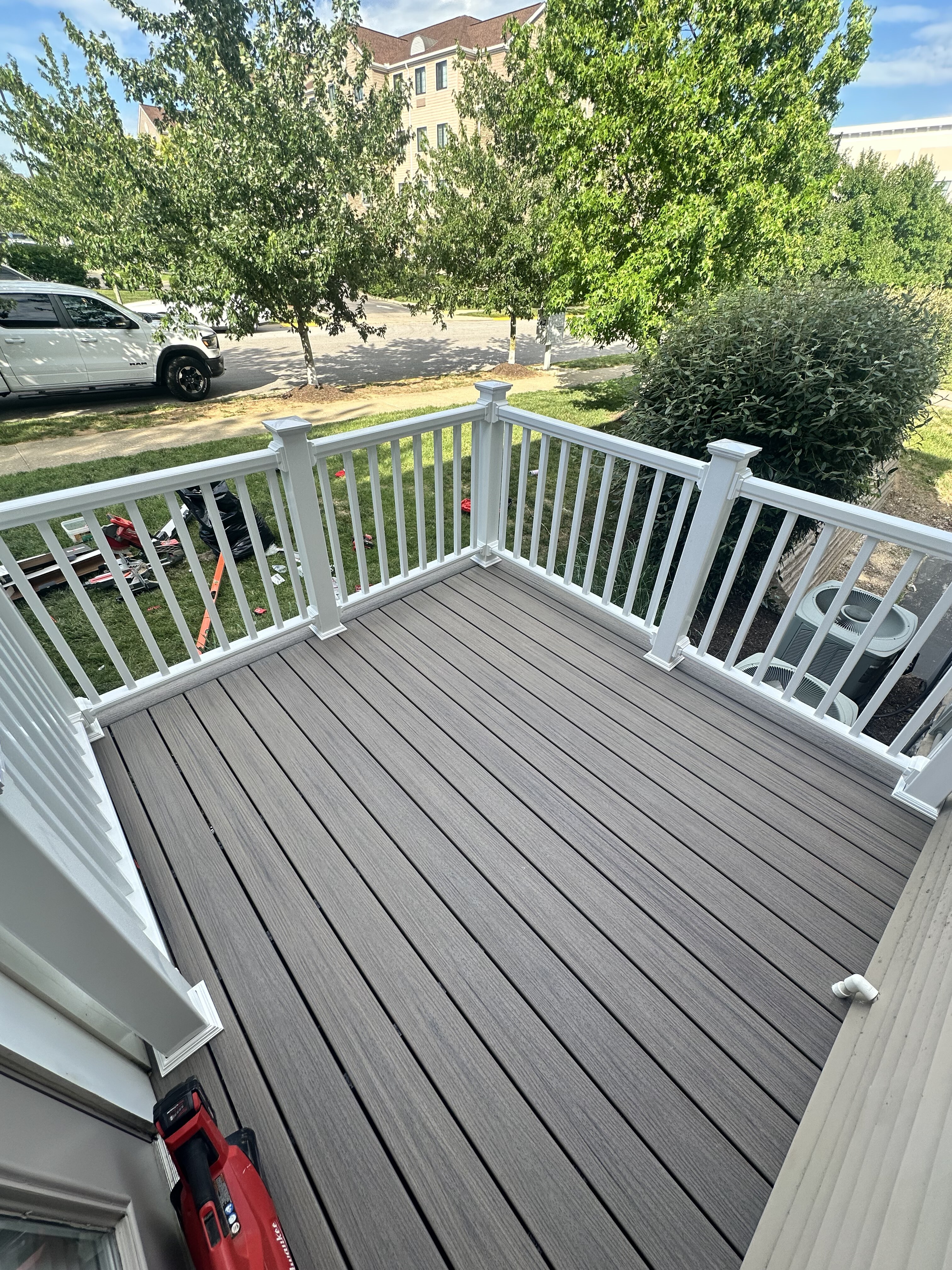
The material you choose shapes your deck's look, maintenance, lifespan, and budget. Here are the main players. Pressure-treated wood. The classic, budget-friendly choice. Pressure-treated lumber is affordable, widely used, and gives you that traditional wood deck look. The tradeoff is maintenance, since it needs regular cleaning, sealing, or staining to resist our Kentucky weather, and it can warp or crack over time if neglected. Great for homeowners who want a real wood deck at a friendly price and do not mind the upkeep. Cedar and other natural woods. A step up in beauty. Cedar offers rich, natural good looks and a premium feel. It still requires maintenance to keep it looking its best, but many homeowners love its warmth and character. Composite decking. The low-maintenance favorite, and increasingly the most popular choice. Composite is made to look like wood while resisting rot, fading, staining, and insects. It never needs sanding, staining, or sealing, so a simple cleaning keeps it looking great for decades. It
costs more upfront than wood, but the years of saved maintenance and the long lifespan win a lot of homeowners over. Ideal for anyone who wants to enjoy their deck instead of constantly working on it. PVC and capped decking. Premium, fully synthetic options that offer top-tier durability and the lowest maintenance, with a higher price to match. Excellent for homeowners who want the best long-term, worry-free performance. A local deck builder can walk you through the tradeoffs and help you pick the material that fits your style, budget, and how much maintenance you actually want to take on.
The Deck Building Process
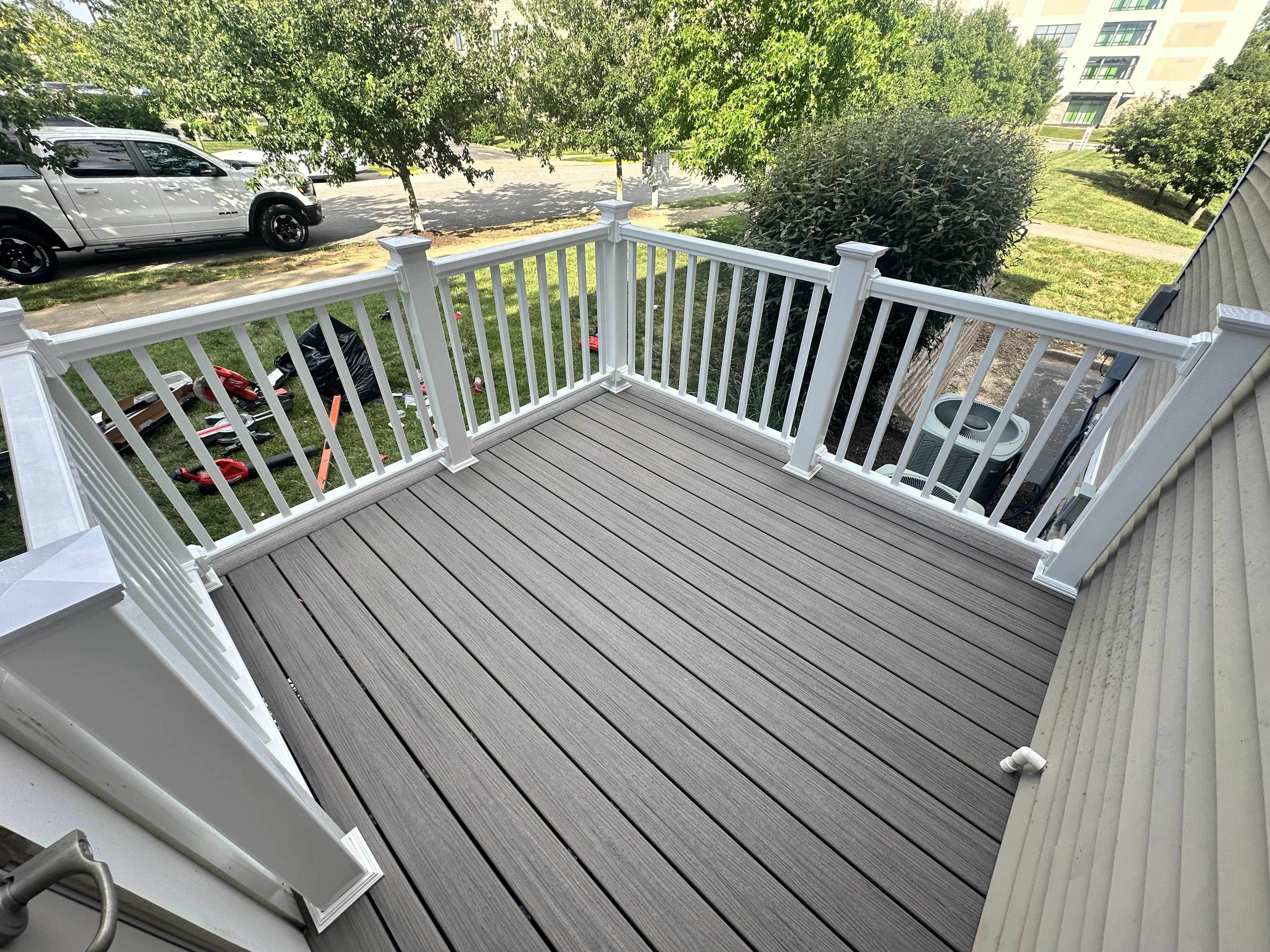
A great deck is built in a clear, deliberate order, and understanding it helps you know what to expect. It starts with design and planning, where you decide the size, shape, layout, features, and material, and where a builder helps you make the most of your space and budget. Then come permits and prep, because most decks require permits and need property lines and utilities checked before any digging happens. Next is the foundation, which is the most important structural part. Proper footings dug to the right depth and set in concrete give your deck a solid, stable base, which matters enormously with our Kentucky freeze-thaw cycles that punish shallow or weak footings. Then the framing goes up, the structural skeleton of beams and joists that carries the entire deck and must be built strong and to code. After framing comes the decking itself, the surface boards you see and walk on, installed cleanly and evenly. Then railings, stairs, and features add safety, function, and style. Finally, the finishing touches and a thorough inspection make sure everything is safe, solid, and beautiful before you ever set foot on it. Throughout, quality construction and adherence to code are what separate a deck that lasts decades from one that becomes a safety hazard.
What Goes Into the Cost
Deck cost depends on several factors, and knowing them helps you plan. The size of the deck is the biggest driver, since more square footage means more materials and labor. The material matters a lot, with pressure-treated wood at the affordable end and composite and PVC costing more upfront but saving on maintenance. Design complexity adds cost, as multiple levels, curves, built-in features, and intricate railings require more work. Site conditions play a role too, since sloped yards, tall elevations, and tricky access can add to the build. And features like built-in seating, lighting, pergolas, and stairs all factor in. Rather than a one-size number, the smart move is a consultation with a local builder who can look at your yard and goals and give you an accurate estimate. And remember, a low-maintenance material that costs more upfront can save you real money and effort over the deck's lifetime.
Why Quality Construction Matters So Much
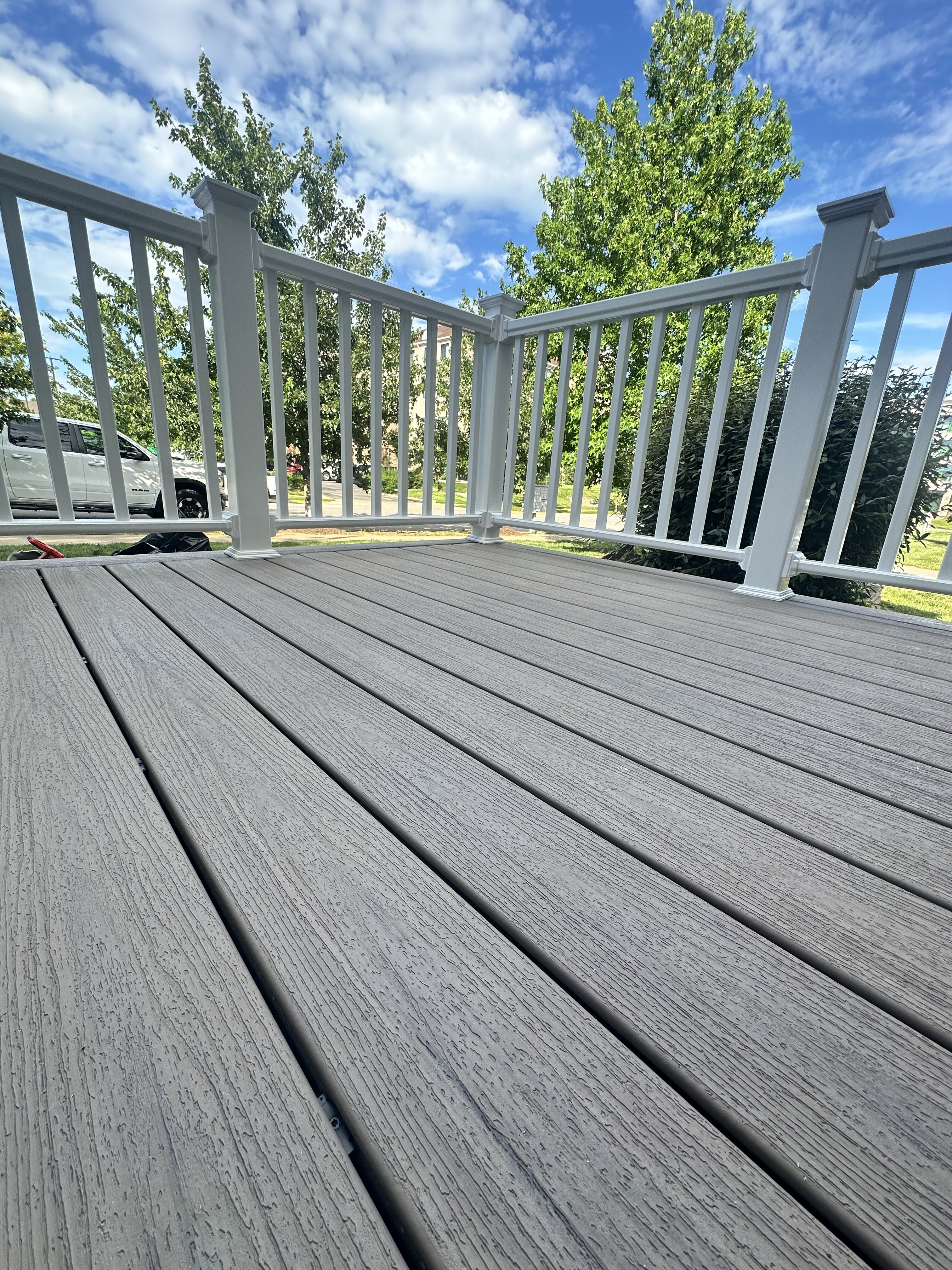
A deck is a structure that holds people, furniture, and gatherings, often well above the ground. That makes safety and build quality non-negotiable. Proper footings and framing keep your deck solid and prevent the sagging, wobbling, and structural failures that plague poorly built decks. Correct attachment to your home, especially the ledger board, is critical, since improper attachment is a leading cause of deck failures. Code
compliance and proper railings and stairs keep everyone safe. And quality materials and fasteners stand up to our weather for the long haul. This is exactly why deck building is best left to an experienced pro. A skilled local builder knows our climate, our soil, our code requirements, and how to build a deck that stays safe, solid, and beautiful for many years. With something that holds your family and friends up off the ground, that expertise is worth everything.
Let us Build Your Backyard Retreat
A deck transforms how you use and enjoy your home, adding space, value, and countless good memories. The key is thoughtful design, the right material, and a quality build by a pro who does it right. If you are in Lexington, Nicholasville, Georgetown, Versailles, Richmond, or Lancaster, reach out today for a free deck consultation and estimate. Let us turn your backyard into the place everyone wants to be.
Frequently Asked Questions
How much does it cost to build a deck?
+
Cost depends on size, material, design complexity, site conditions, and added features. Pressure-treated wood is the most affordable, while composite and PVC cost more upfront but save on maintenance. A consultation gives you an accurate estimate for your project.
What is the best decking material?
+
It depends on your priorities. Pressure-treated wood is budget-friendly but needs maintenance, cedar offers natural beauty, and composite and PVC provide low-maintenance, long-lasting performance at a higher upfront cost. Composite is increasingly popular for its durability and minimal upkeep.
Do I need a permit to build a deck?
+
Usually yes. Most decks require permits, and property lines and utilities should be checked before digging. A local builder handles these details to keep your project compliant and smooth.
How long does a deck last?
+
With quality construction, a wood deck can last many years with proper maintenance, while composite and PVC decks can last decades with minimal upkeep. Quality footings, framing, and materials are key to longevity.
Does a deck add value to my home?
+
Yes. A well-built deck adds usable living space and curb appeal, and it is a feature buyers appreciate, making it a strong return on investment.
Building, remodeling, or finishing something in central Kentucky?
One in-house crew. One standard. Talk to Elevation about your project — no pressure, no jargon.
Talk to Elevation